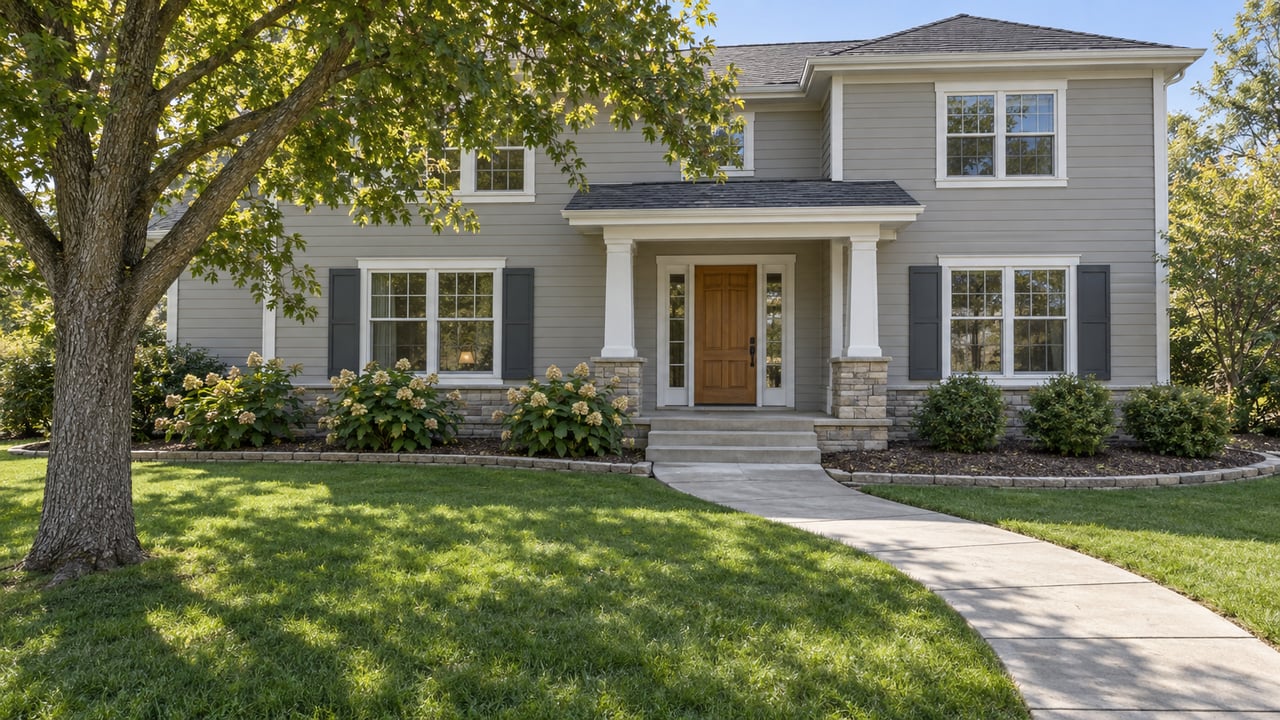
Thinking about buying a townhome or condo in Campbell but not sure where to start? You’re not alone. Campbell is a competitive Silicon Valley market, and attached homes can be a smart way to get the location you want with less maintenance. In this guide, you’ll learn what you can buy, how HOA dues work, what to know about financing approvals, and the key due diligence steps to protect your investment. Let’s dive in.
Why consider Campbell attached homes
If you love Campbell’s downtown energy and the Pruneyard, attached homes can offer a more attainable entry point than many single-family options. Recent listings show smaller 1 to 2 bedroom condos often trading below citywide detached-home medians, with larger townhomes scaling up in price based on size, garage, and proximity to amenities. Inventory is limited, so pricing can swing month to month.
Attached living also reduces weekend maintenance. Many communities handle exterior care, landscaping, and common-area upkeep. You trade some private yard space and accept HOA rules in exchange for location, included services, and a lock-and-go lifestyle.
What you can buy in Campbell
Campbell’s condo and townhome stock spans multiple styles and ages:
- Older garden-style condos from the 1970s to 1980s. These often include 1 to 2 bedrooms and roughly 700 to 1,000 square feet. Renovations vary by unit.
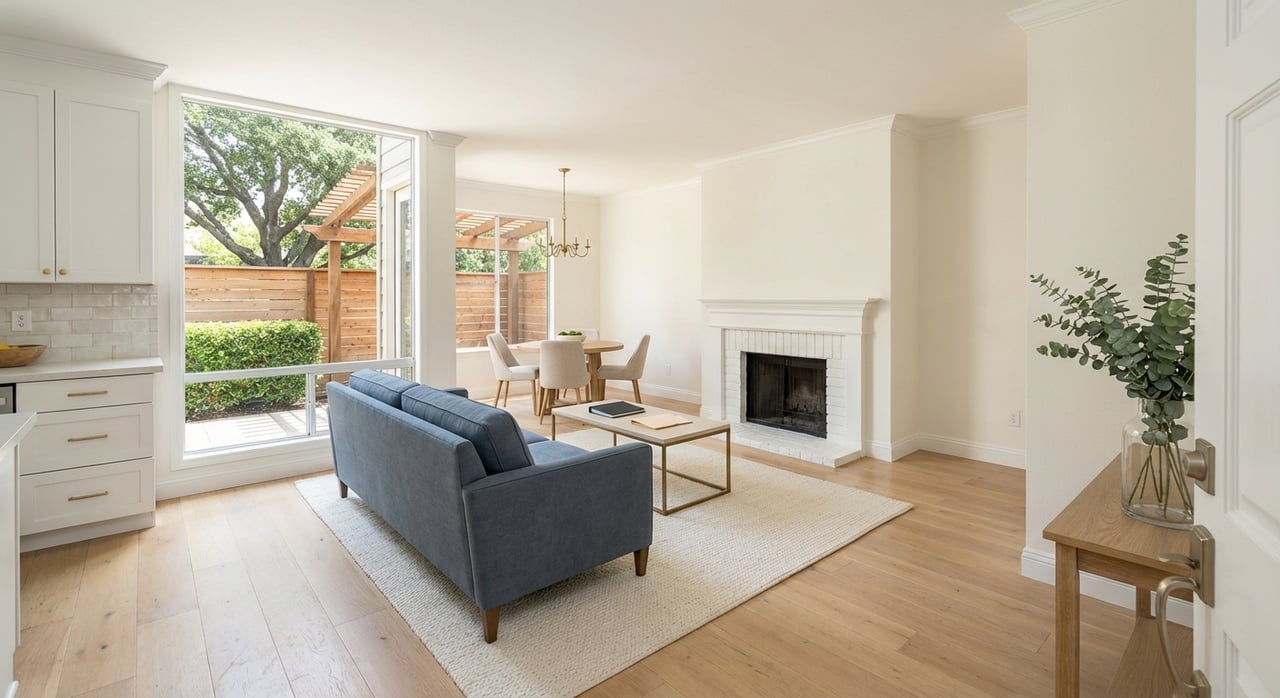
- Classic townhome-style units from the 1970s to 1990s. Expect 2 to 3 bedrooms, multi-level layouts, private garages, and small patios. Typical sizes range from about 1,100 to 1,900 square feet.
- Newer infill townhomes from the 2010s and later. These usually offer modern finishes, attached 2-car garages, and a boutique community feel.
Recent examples suggest 2-bed condos can land in the mid 500s to 700s, while 3-bed townhomes often run from the high six figures into the low seven figures depending on size, finish, and location. Check current MLS data for exact pricing before you write your offer.
HOA dues and what they include
HOA fees vary widely based on amenities and how much the association maintains. In Campbell you’ll see everything from lower-fee planned unit developments to larger associations with pools and clubhouses.
Typical inclusions can be:
- Exterior maintenance like roofing and painting
- Common landscaping
- Pool, spa, and clubhouse care when present
- Common-area insurance and utilities
- Water or trash in some communities
- Professional management and reserve funding
A low monthly fee can look attractive, but it does not always tell the full story. Associations with limited reserves may rely on special assessments for major projects. Always review the HOA’s budget, reserve study, insurance summary, and meeting minutes in the resale packet to see what is covered and what projects are on the horizon. California law requires sellers and associations to provide disclosures, including the Transfer Disclosure Statement and common-interest documents during escrow. You can read the statutory TDS language in the California Civil Code at Section 1102.6. For a sample of the HOA resale packet contents generally provided under Davis-Stirling rules, see this association resale disclosure example.
Financing and project approvals
Buying a condo or townhome includes an extra layer of lender review known as project approval. This affects your loan options and timing.
- Conventional financing and warrantability. Lenders follow Fannie Mae and Freddie Mac rules to decide if a project is “warrantable.” Factors include reserves, insurance, owner-occupancy, and litigation. Your lender may perform a project review during underwriting. Learn more about Fannie Mae’s process and tools like Condo Project Manager and see general project standards.
- FHA loans. FHA requires that a condominium project be FHA-approved, or that a single-unit approval be granted for your purchase. Approval looks at owner-occupancy, reserves, insurance, and more. If you plan to use FHA, check HUD’s database early at the FHA condo lookup.
- Non-warrantable projects. If a project is non-warrantable due to investor ratios, litigation, or reserves, you may need a portfolio loan or a larger down payment. Confirm this with your lender before you remove contingencies.
Action step: Ask your lender to confirm project eligibility as soon as you get serious about a unit. That way, you avoid late-stage surprises.
Neighborhood snapshots to explore
- Downtown Campbell and nearby streets. Garden-style condos and townhomes sit close to dining, the weekly farmer’s market, and community events. Many buyers choose this area for walkability and a vibrant small-city feel.
- The Pruneyard and Los Gatos Creek Trail corridor. Here you’ll find a mix of lower-fee PUD-style townhomes and newer infill communities with modern finishes. The trail access, retail, and services appeal to buyers who value convenience.
- Established townhome clusters near downtown. Multi-level units with attached garages are common. These can be good options if you want more space and parking while staying near shopping and transit.
- Peripheral pockets of Campbell. You can sometimes find lower HOA dues in smaller or simpler communities. Balance the savings with a careful look at what the association maintains and whether reserves are adequate.
Commute and lifestyle access
Campbell offers solid regional access for many commutes. The light rail at the Downtown Campbell station connects to the VTA system, and major roadways link you to central Silicon Valley employment hubs. Many condo and townhome communities place you close to cafes, groceries, and the Los Gatos Creek Trail for weekend runs and rides.
Smart due diligence steps
Protecting your purchase comes down to a clear plan. Use this checklist during your contingency period.
- Get pre-approved with a condo-savvy lender. Ask for an early project eligibility review and timeline. See Fannie Mae’s Condo Project Manager to understand how lenders evaluate projects.
- Order the HOA resale packet immediately. Review CC&Rs, bylaws, operating rules, budget, reserve study or summary, insurance summary, and current or pending assessments. This is your roadmap to costs and rules. For a reference on typical packet contents, see this resale disclosure example.
- Read all seller disclosures closely. California’s Transfer Disclosure Statement and related forms must be delivered to you, and late delivery can extend your cancellation window. Review the statutory TDS at Civil Code 1102.6.
- Schedule inspections early. Order a general home inspection and a termite or pest inspection. Depending on the building, you may add roof, foundation, or chimney specialists. Confirm in the CC&Rs who pays for shared systems like roofs and siding.
- Confirm appraisal and comps. Attached homes appraise differently than single-family homes. Make sure your appraiser has access to relevant condo and townhome comparables.
- Verify title and property taxes. Ask your title company for a Preliminary Title Report and check the Santa Clara County Assessor site for tax details and any special assessments at the Assessor’s property search.
- Check insurance and earthquake coverage. The HOA’s master policy typically covers common areas and the building shell, but you will carry an HO-6 policy for interior coverage. In California, also request earthquake insurance quotes and review the HOA’s earthquake coverage if any.
- Understand leasing and move-in rules. Review rental caps, short-term rental restrictions, pet policies, move-in fees, and parking rules before you commit.
Special assessments and reserves
A higher HOA with healthy reserves can be safer than a low HOA that relies on special assessments. Read the reserve study or reserve summary to understand how the association plans for big-ticket items like roofs, siding, and paving. Meeting minutes can reveal discussions about upcoming projects or litigation that may affect future costs.
If you see a notice of a special assessment, ask for the total amount, timing, and whether it has been paid in full by the seller. Your lender will also ask if there are any unpaid or pending assessments during the project review.
How to compare true monthly cost
Look beyond list price. Build a quick all-in monthly estimate to compare units accurately.
- Mortgage principal and interest based on your rate and down payment.
- HOA dues. Confirm what is included and whether utilities or insurance offsets apply.
- Property taxes and any special assessments. Your title company and the county Assessor will help you confirm these figures.
- Insurance. Include HO-6 interior coverage and optional earthquake coverage.
This apples-to-apples view helps you decide between a lower-priced unit with high HOA dues and a higher-priced unit with lower dues.
A smooth path to closing
The smoothest condo and townhome purchases start with early lender checks, fast HOA document review, and tight inspection scheduling. In Campbell’s competitive market, small preparation steps can make the difference between winning the right home and missing it.
If you want a clear plan, local insight on communities, and steady guidance through financing and HOA review, reach out to Alexandra Celo-Cruz. You’ll get hands-on advocacy and a practical path from first tour to confident closing.
FAQs
How do Campbell condo prices compare to houses?
- Attached homes often sell below detached-home medians, giving you a more attainable entry point while staying in Campbell’s core locations.
What do typical Campbell HOA fees cover in condos and townhomes?
- Common coverage includes exterior maintenance, landscaping, pool or clubhouse care, common-area insurance, and utilities for shared spaces, plus reserves and management.
How do FHA loans work for Campbell condos?
- FHA requires the project be approved or the unit obtain single-unit approval. Check eligibility early using HUD’s FHA condo lookup.
What is condo “warrantability” with conventional loans?
- Lenders review the project against Fannie Mae and Freddie Mac standards. See Fannie Mae’s Condo Project Manager for how eligibility is evaluated.
What should I look for in an HOA resale packet?
- Focus on the budget, reserve study or summary, insurance, meeting minutes, and any current or planned special assessments, plus leasing and move-in rules.
How can I estimate my total monthly cost on a condo?
- Add mortgage payment, HOA dues, property taxes or assessments, insurance, and optional earthquake coverage to compare units on an equal basis.
What are common condo inspections in Campbell?
- A general home inspection and termite or pest inspection are typical. You may add roof, chimney, or foundation checks depending on the building and HOA data.
Where can I confirm property taxes and special assessments?