Search
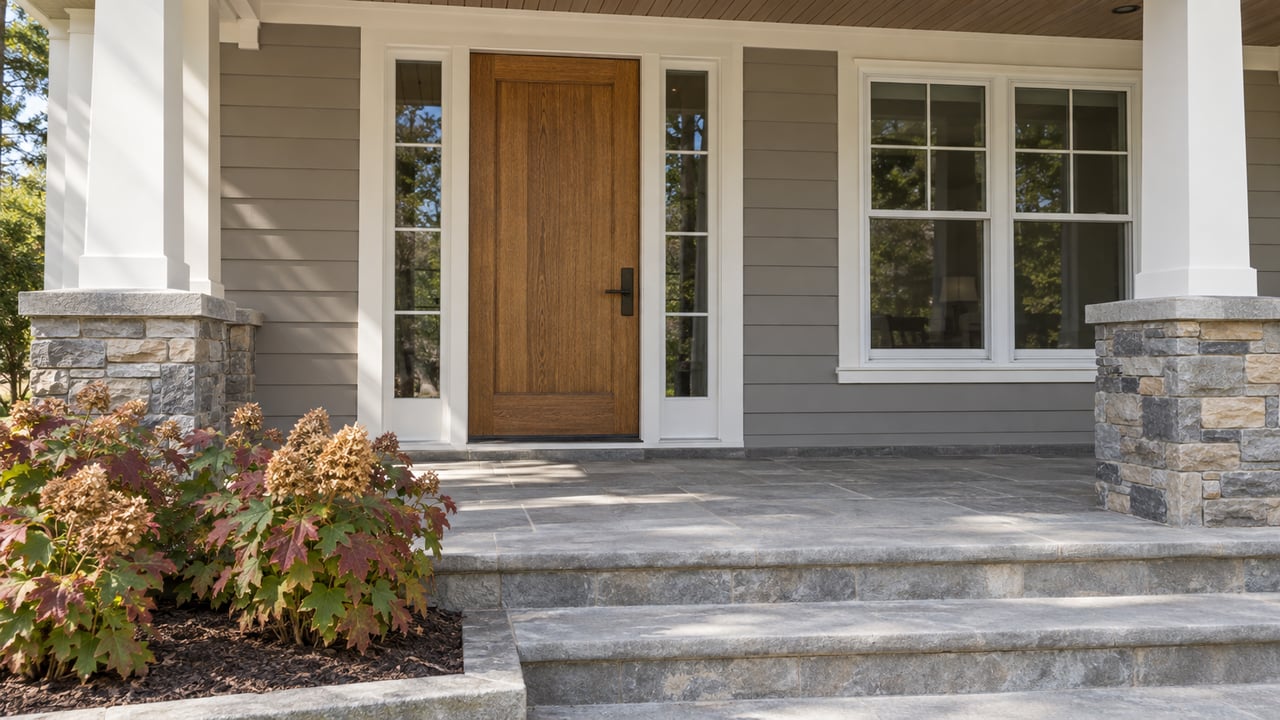
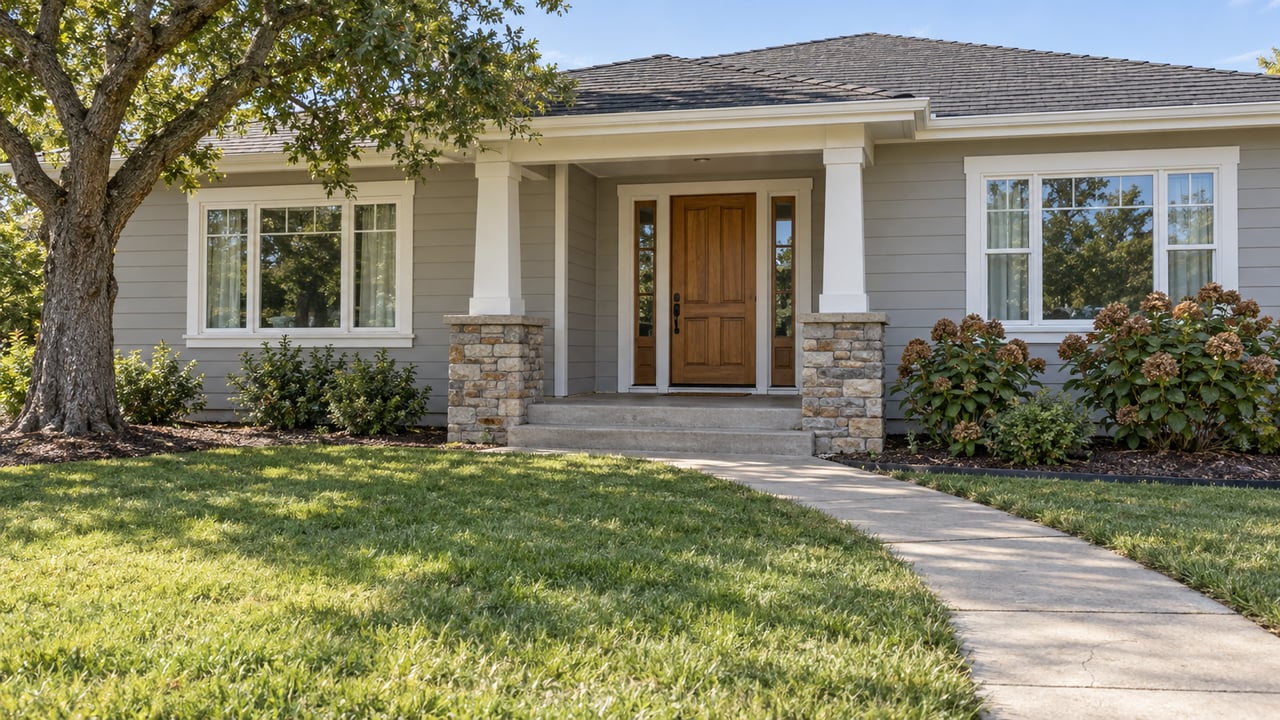
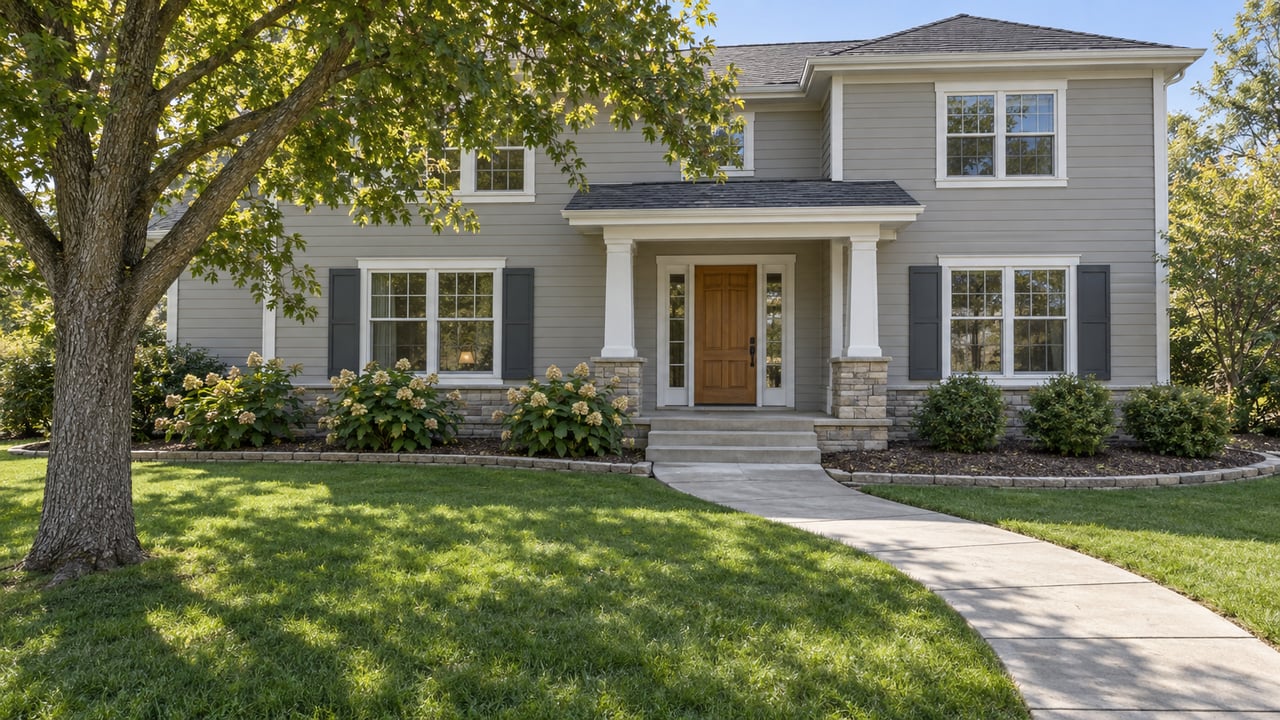
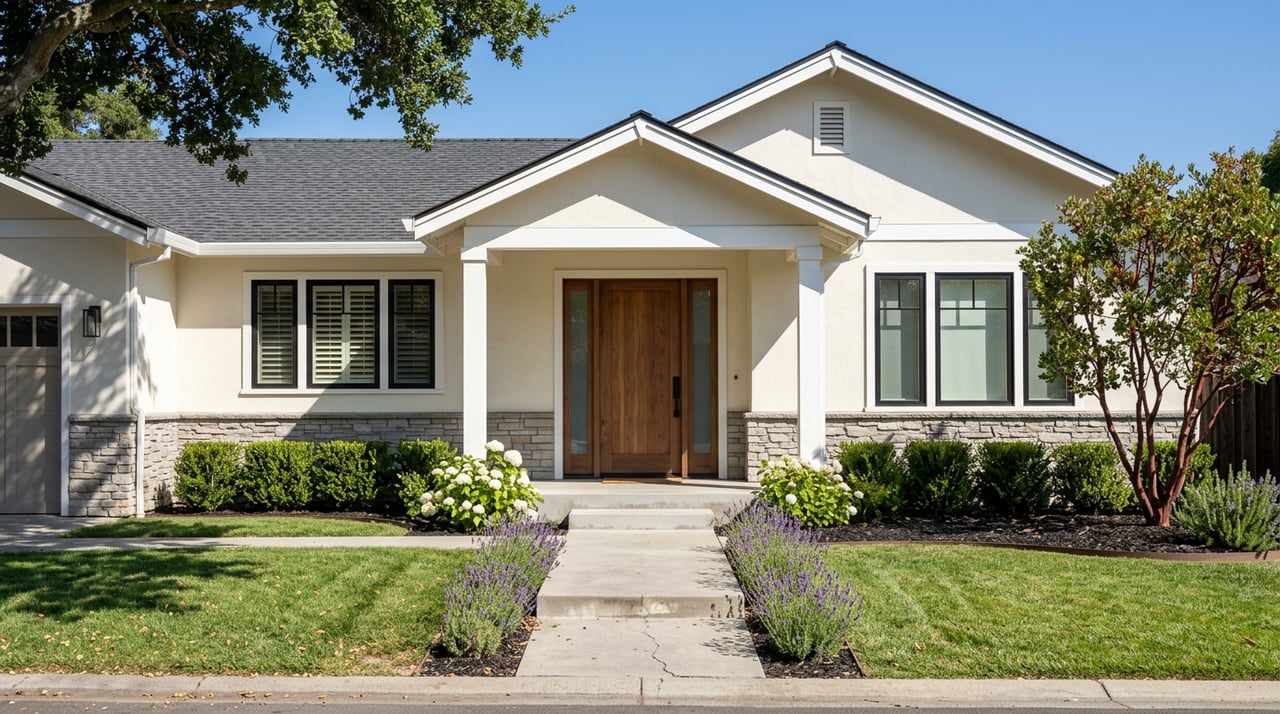
Home exterior with a centered porch, updated-traditional finishes, and manicured landscaping.

Choosing A Home Near Top Evergreen Schools

March 5, 2026

If schools are your top filter, the Evergreen area in southeast San Jose likely sits high on your list. You want strong academics, a smooth commute, and a home that fits your budget, but school boundaries here can be complex. A single address can feed one district for elementary and middle school, then a different district for high school. In this guide, you’ll learn how Evergreen’s school systems work, how to verify assignments for a specific home, and how to weigh trade-offs so you can buy with confidence. Let’s dive in.

Evergreen, schools, and boundaries 101

Evergreen refers to a large residential area in southeast San Jose within Santa Clara County. Locals also use “Evergreen Park” to describe a specific park inside the district, so always confirm the exact property address when researching schools. Two separate public systems serve Evergreen addresses:

  • Evergreen Elementary School District (EESD) covers transitional kindergarten through grade 8 across multiple neighborhood schools. Start with the district’s school pages and locator tool on the EESD site to see programs and boundaries. Visit the EESD overview at the Evergreen Elementary School District schools page: EESD schools and locator.
  • East Side Union High School District (ESUHSD) covers grades 9 to 12. Many Evergreen addresses feed Evergreen Valley High School or Silver Creek High School, depending on the street. Check the ESUHSD attendance-area boundaries and locator for the definitive assignment.

Why this matters when you buy

Elementary and middle schools are set by EESD boundaries, while high schools are set by ESUHSD boundaries. That means the K to 8 assignment and the 9 to 12 assignment for the same property can be different. Always verify a listing’s school information using the official district tools before you decide what to tour or write.

Neighborhood types and price trade-offs

Evergreen includes a mix of neighborhoods. Hillside and country club pockets feature larger homes at higher price points. More typical family neighborhoods offer mid-range prices with established parks and community amenities. West Evergreen and older infill areas often provide the lowest entry points for the area.

EESD operates multiple well-regarded elementary and middle schools across several neighborhoods, so you do not always need the priciest pocket to be inside a strong EESD attendance area. Still, research shows that school quality tends to be reflected in home prices. Academic studies document measurable premiums for homes in higher-performing zones, which can affect both price and competition. For a plain-language summary of that effect, see the meta-analysis on school quality and house prices: evidence on price premiums.

A quick strategy to frame your search

  • Define your top priority: school program, commute window, or price band.
  • If a specific school is a must, focus only on homes that the district locator confirms as “in-boundary” and expect tighter inventory.
  • Consider housing types inside your target boundary, such as townhomes or smaller single-family homes, if that helps the budget.
  • Keep a transfer or program-of-choice plan as a backup, but verify approval likelihood early, since transfers are not guaranteed.

How to research school quality and programs

Follow these steps to build a clear picture for each school you are considering:

  1. Start on district and school pages. EESD lists each campus, program highlights, and links to its School Accountability Report Cards (SARCs). Explore the EESD schools and locator to identify candidate schools by address, then open each school’s page.

  2. Read the SARC for facts. SARCs summarize staffing, class sizes, enrollment, specialized supports, and outcomes. Find them from the district’s SARC portal: EESD SARC directory.

  3. Review state indicators. California’s CAASPP and the California School Dashboard show trends in English and math, graduation rates, and chronic absenteeism. Focus on multi-year patterns and subgroup results, not just one year. Start here: CAASPP and Dashboard overview.

  4. For high school programs and pathways, check ESUHSD’s school sites and counseling pages for AP, CTE, and specialty pathways. Confirm course lists and application or enrollment steps on the school’s site after you verify the address with the ESUHSD attendance-area locator.

  5. Use independent aggregators only for context. Third-party summaries and reviews can help you frame questions to ask a principal or counselor, but always confirm details with the SARC and district pages.

What to verify before you write an offer

Use this checklist during your home search and contract period:

  • Confirm the exact school assignment for the property using both the EESD locator and the ESUHSD attendance-area locator. Save screenshots for your records.
  • Ask the listing agent if the seller has prior written confirmation from the districts for the address’s assignment.
  • Review residency requirements. EESD lists accepted documents and requires three proofs of residence. See EESD residency verification.
  • Check transfer rules and “impacted” status. ESUHSD manages intradistrict and interdistrict transfers. Some schools may be designated impacted, which can limit approvals. See the ESUHSD transfer process and confirm current timelines.
  • Ask about capacity and waitlists for specific programs. Contact the school’s office or counseling team about seat availability for TK, GATE, magnet, or pathway programs. EESD lists options here: EESD programs of choice.
  • Confirm registration windows and age rules. Districts post annual enrollment calendars. Missing a window can affect placement, so mark the dates and set reminders.
  • Review transportation options and commute time. Check VTA routes for feasibility and run your peak-hour drive to school and work. Start with VTA transit resources.

Balancing schools, commute, and budget

The right fit blends academics, daily routine, and affordability. Here is how to approach the trade-offs:

  • Map your daily calendar. Compare a home that is inside your preferred school zone with another that reduces commute time or price but uses a transfer or program-of-choice plan.
  • Compare housing types within the same boundary. Attached homes can reduce cost while keeping you in-boundary. Review HOA rules and long-term fit.
  • Use transfers as a contingency, not a plan. Policies and capacity change by year. Treat approval as uncertain until granted, especially at schools that may be impacted.
  • Test the real-world commute. Do one morning drop-off and one evening return at peak times before you offer. If walking or biking is important, look for sidewalks, crossings, and Safe Routes plans. You can learn more about Safe Routes here: Safe Routes to School.

On-the-ground checklist for tours

  • Run the address through both district locators and bring the results to every showing.
  • Drive the school drop-off loop and your commute during peak hours.
  • Visit the school office. Ask about capacity, bell times, and key programs.
  • Bring residency documents to confirm you can provide what enrollment requires.
  • Walk the route to school if that is a goal. Note crossings, sidewalks, and traffic.

Work with a local advisor

Choosing a home near strong Evergreen schools takes more than a good map. You want accurate boundary checks, program fit, a plan B for transfers, and a negotiation strategy that reflects competition inside in-demand zones. If you would like a guided, step-by-step search with clear verification at every stage, connect with Alexandra Celo-Cruz. Together, we will align school priorities with budget and commute so you can buy with confidence.

FAQs

How do school boundaries work in Evergreen?

How can I confirm a specific home’s assigned schools?

  • Use both district locators and save screenshots. Then call the EESD or ESUHSD enrollment office to request written confirmation for the exact address.

Where can I find objective school performance data?

What if my preferred high school is different from the in-boundary school?

  • High school assignment follows ESUHSD boundaries. Transfers may be possible, but approvals can be limited at impacted schools. See the ESUHSD transfer process.

What documents do I need to enroll with EESD?

  • EESD typically requires three proofs of residence from specified lists, plus student and parent ID documents. Review current rules at EESD residency verification.

How much more do homes cost in a preferred school zone?

  • Research shows higher-performing school zones often carry measurable price premiums, but the amount varies by neighborhood and year. See this overview of school quality and price premiums and compare recent local sales with your agent.

Work With Alexandra

Work with Alexandra for a seamless real estate experience. She helps buyers visualize dream home potential through thoughtful enhancements and guides sellers in preparing and presenting their homes to attract maximum interest and profits. With Alexandra's expertise and creative approach, your goals are within reach.