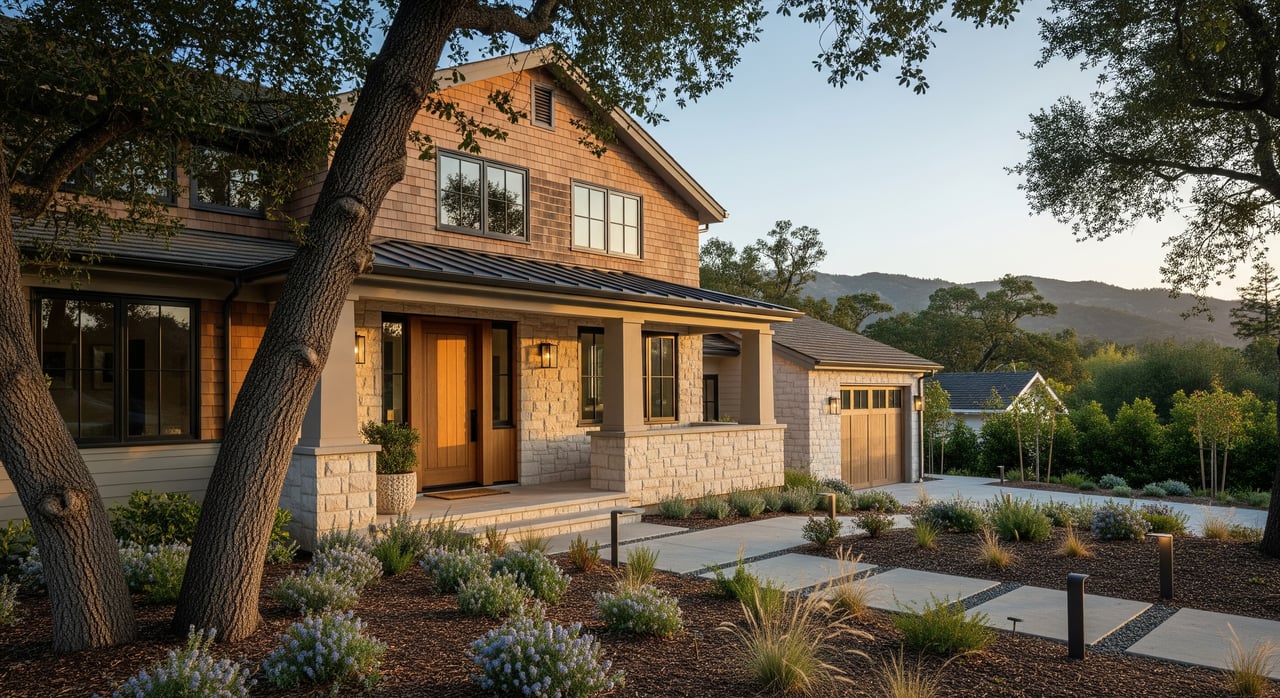
First-Time Buyer Guide to Los Gatos
December 18, 2025
December 18, 2025
Buying your first home in Los Gatos can feel exciting and overwhelming at the same time. You want great schools, a smooth commute, and a walkable lifestyle, but you also need a clear plan in a competitive market. This guide gives you neighborhood snapshots, timelines, inspections, costs, and offer tactics tailored to Los Gatos so you can move forward with confidence. Let’s dive in.
Los Gatos is an established Silicon Valley town with steady demand and prices above county medians. Proximity to major tech campuses, highly rated schools, and a charming downtown keep competition strong, especially for turnkey homes near parks and schools. Inventory is limited, so being prepared helps you act quickly when the right home appears.
Single-family homes dominate, with older properties in historic areas and larger lots in the hills. Condos and townhomes can offer a more affordable entry point, though availability is still tight. Buyers often prioritize walkability, outdoor access, and school boundaries when narrowing the search.
If you want a walkable, urban-suburban vibe, downtown near N. Santa Cruz Ave and Main St is popular. You will find restaurants, shops, and smaller lots, often with historic homes. Expect a premium for convenience and school access.
East and northeast Los Gatos offer a family-friendly feel near Vasona Lake County Park. There is a mix of ranch and contemporary homes, plus easy access to playgrounds and trails. Many buyers choose this area for its recreation options and school proximity.
These north and east foothill neighborhoods feature parks and a classic suburban layout. Some pockets are higher priced and near top-rated schools. A few communities include HOA-managed commons, so review dues and amenities early in your search.
In the west and south foothills you get larger lots, privacy, and a rural feel. Buyers trade some commute time for space and views. Steeper terrain can introduce hillside and wildfire considerations, so plan for specialized inspections and early insurance quotes.
Attached homes cluster near major corridors and around downtown. They can reduce maintenance responsibilities and serve as an entry point into Los Gatos. Budget for HOA dues and review any special assessments and reserve studies before you commit.
Most residents commute by car, with Highway 9 and CA-17 connecting to San Jose, Cupertino, Mountain View, and Sunnyvale. Public transit exists via VTA bus routes and connections to Caltrain through nearby hubs, but many commutes still rely on driving or employer shuttles. Weekends are easy to love with downtown dining, the library, community pools, and quick access to the Santa Cruz Mountains.
Plan for your down payment plus closing costs that commonly range from 2 to 5 percent of the purchase price. Earnest money deposits are often 1 to 3 percent. California’s Prop 13 limits annual assessed value increases, but your home will be reassessed at the purchase price, so confirm projected property taxes. Some properties may carry Mello-Roos or special district taxes. For hillside homes, get homeowner insurance quotes early since wildfire risk can affect availability and premiums.
Get a full mortgage pre-approval, not just a pre-qualification. Meet a local buyer’s agent who knows Los Gatos micro-markets. Build your neighborhood shortlist, confirm school attendance by address, and outline must-haves vs. nice-to-haves. Use a mortgage calculator to model payments, taxes, and insurance.
Tour regularly, attend open houses, and review coming-soon or off-market opportunities. In competitive pockets, move quickly when you find a fit. Keep insurance, HOA, and school details in mind as you compare options.
Write offers with the right contingencies for your situation. Typical items include inspection, loan, and appraisal contingencies with clear timelines. In Silicon Valley, tactics like escalation clauses, appraisal-gap coverage, larger deposits, or shorter contingency periods are sometimes used.
Financed transactions commonly close in 30 to 45 days, with 21 to 30 days also used. All-cash closings can be faster, roughly 7 to 21 days. The inspection period is often 7 to 17 calendar days, and appraisals typically occur within 7 to 14 business days after ordering.
Complete a final walkthrough, sign closing documents, and coordinate funding and recording. Keys are released after recording and funding.
California sellers typically provide the Transfer Disclosure Statement, Seller Property Questionnaire, and a Natural Hazard Disclosure report. HOA documents apply for condos and planned communities. Homes built before 1978 require the federal lead-based paint pamphlet.
Common inspections include a general home inspection, termite and pest inspection, and a sewer lateral scope for older properties. Roof and chimney inspections are helpful when ages are unknown. Hillside or steep lots may benefit from geotechnical and structural engineering reviews, especially if you plan major remodeling or an ADU. Rural parcels in the hills may have septic or private well systems that require specialized inspections. Pool inspections and screening for older materials like asbestos or older wiring can be prudent for vintage homes.
Wildfire risk can affect insurance availability and premiums in hillside areas, so gather quotes early. Earthquake insurance is separate from standard policies. Flood insurance is required only for homes within designated flood zones. Your Natural Hazard Disclosure report will flag state-identified hazard zones, including wildfire, flood, and seismic risks.
In multiple-offer situations, some buyers consider escalation clauses, shorter contingencies, appraisal-gap coverage, or larger earnest deposits. Weigh each tactic against your risk tolerance. Waiving inspections or appraisal protections can increase exposure to defects or valuation shortfalls. Align your approach with your lender’s guidance and your agent’s read on the micro-market.
Homes near top-rated schools, downtown, and parks often see stronger demand and resale performance. Older properties can offer renovation upside, but plan for permits, timelines, and terrain limits in hillside areas. Buying with future buyers in mind helps protect your long-term equity.
For remodels or additions, expect permits from the Town of Los Gatos. Hillside projects face stricter grading, tree, and visual guidelines. If you buy into an HOA, review CC&Rs, reserve studies, budgets, meeting minutes, and any special assessments early in escrow.
If Los Gatos feels like the right fit, your next step is a clear plan and an expert by your side. From neighborhood selection to competitive offer strategy and inspections, a local advisor keeps you ahead of the curve and reduces surprises. When you are ready, connect with Alexandra Celo-Cruz to map your path from search to keys.
Stay up to date on the latest real estate trends.

Work with Alexandra for a seamless real estate experience. She helps buyers visualize dream home potential through thoughtful enhancements and guides sellers in preparing and presenting their homes to attract maximum interest and profits. With Alexandra's expertise and creative approach, your goals are within reach.
Alexandra Celo-Cruz | CA DRE# 01482661
236 N SANTA CRUZ AVE STE 104 LOS GATOS CA 95030