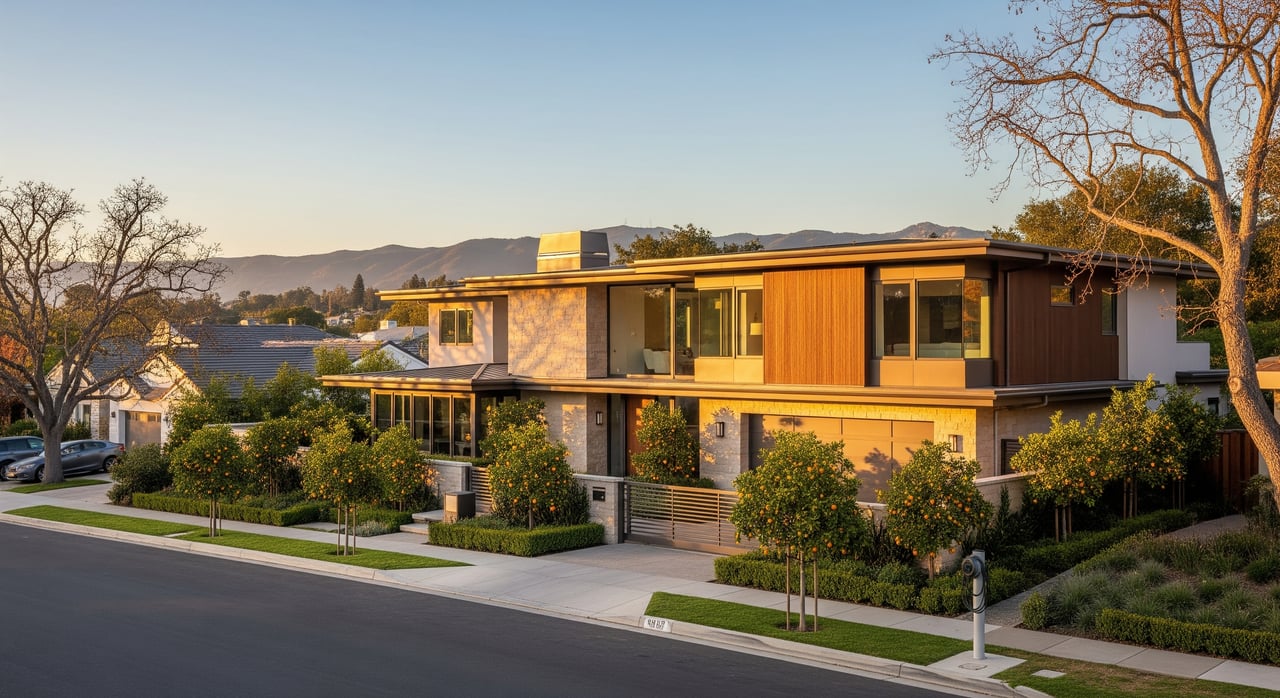
How Comps Work in San Jose
January 15, 2026
January 15, 2026
Pricing a home in San Jose can feel like trying to hit a moving target. Inventory is tight, neighborhoods are unique, and buyers move fast. If you are buying or selling, you need a clear picture of value so you can price, bid, and negotiate with confidence. In this guide, you will learn how comparable sales, or comps, actually work in San Jose and nearby micro-markets, what great agents adjust for, and how to read a clear, transparent CMA. Let’s dive in.
A comp is a recent, arms-length sale of a similar property used to estimate market value. In San Jose, accurate comp selection is essential because values are high and the market shifts quickly. One-size-fits-all pricing does not work here.
San Jose is a collection of micro-markets. Buyer pools and pricing differ across areas like Willow Glen, Rose Garden, Almaden Valley, Cambrian and Union, Evergreen, Berryessa, North San Jose, and the Santana Row and Downtown corridor. Nearby cities, such as Santa Clara and parts of Sunnyvale, can also be relevant for certain property types. Even cross-bay markets like Oakland–Hayward–Berkeley can influence some buyer segments, but cross-border comparisons must be clearly justified.
The practical takeaway: the best comps are close in location, time, and property traits, and they reflect how buyers actually shop in that pocket.
Start by writing down the facts about your home or the one you want to buy:
This becomes the filter for every comp that follows.
Agents apply tight filters first, then expand only if needed. Typical starting points include:
If not enough solid matches exist, agents expand the search. They might open the time window, step out a bit farther in distance, or cross a city boundary if buyer behavior supports it. Every expansion should be explained. When crossing different micro-markets, agents adjust for market-level differences, such as commute patterns, transit access, and school-boundary demand.
Condition drives value. Agents group homes as original, updated, fully renovated to current standards, or luxury-level. Permits matter because permitted work reduces buyer risk. Kitchen and bath remodels, structural additions, and systems updates can shift value in a meaningful way.
Lot size and usable outdoor space are important in San Jose. A flat, private yard with room for an ADU can command a premium. Orientation, views, and site challenges like slope or noise require adjustments as well.
School attendance boundaries influence demand because they define where students may be assigned. Agents try to compare homes within the same boundary first. If they must cross a boundary, they document the reason and note the adjustment.
Most CMAs feature 3 to 6 primary comps with a few backups. Agents compare price per square foot, adjust for major differences, and reconcile to a value range. The final output is a recommended list price for sellers or an offer range for buyers, plus the assumptions behind the figures.
Price per square foot is a helpful starting point, but in older or varied neighborhoods, agents also consider per-room or per-bath differences. A 3-bed home with one bath will not trade the same as a similar 3-bed with two baths. The goal is to match the way buyers compare homes in that pocket.
Condition is one of the strongest drivers. A home that is original or dated will compete with very different buyers than a home that is turnkey. Agents will typically bracket the subject with comps that mirror its finish level. If they need to use a comp with a different condition, they will apply a market-derived adjustment.
Permitted work tends to earn a premium because it reduces risk. Agents confirm permit history and treat permitted additions, kitchen and bath remodels, and systems upgrades differently from cosmetic refreshes or unpermitted work. The scope matters too, whether it is a light cosmetic update, a wall reconfiguration, or a full systems overhaul.
Not all square footage is equal. A large lot with a steep slope may have less usable area than a smaller, flat yard. In San Jose, outdoor living and potential for an ADU often add value. Agents adjust for privacy, usability, and development potential based on what buyers have recently paid for similar traits.
Flow, bedroom-bathroom alignment, and overall livability affect demand. A choppy layout or a home with too few bathrooms for the number of bedrooms can reduce value. Agents try to match layouts when choosing comps or note an adjustment for functional differences.
Views, noise, and transit proximity carry premiums or discounts that vary by pocket. A quiet street with hills or skyline views may trade higher, while heavy traffic or certain noise sources may require a downward adjustment.
Attendance boundaries affect buyer interest in many San Jose and Santa Clara pockets. The focus is boundary inclusion, not school ratings. Agents use boundary maps to verify whether a home is inside a specific attendance area and try to select comps within the same boundary.
If you are reviewing a CMA, check that the comps match the subject’s boundary when possible. If the CMA includes cross-boundary comps, look for clear notes on why and how the agent adjusted. Keep in mind that attendance zones can change. The best practice is to verify boundaries using the most current district resources.
Yard space has become a bigger decision driver. Buyers value privacy and outdoor living, and many want future flexibility. If your lot can accommodate an ADU, that may improve appeal. In some cases, agents analyze the lot almost as a separate value driver and adjust comps accordingly. When comp supply is thin, lot usability becomes even more important, especially in older neighborhoods with varied parcel sizes.
There are times when comps outside San Jose make sense. Contiguous neighborhoods along a shared corridor, or pockets that feed the same attendance boundary, can justify a Santa Clara or Sunnyvale comp. Some buyer segments also compare opportunities across the bay, including Oakland–Hayward–Berkeley, based on commute tradeoffs or housing type. When an agent uses cross-jurisdiction comps, they should document the buyer behavior that makes the comparison relevant and apply clear adjustments for market differences.
A strong CMA for San Jose should include:
When prices are rising quickly, agents shorten the time window to the last 30 to 90 days and lean on very recent pending and closed sales. If older comps must be used, a time adjustment is disclosed.
In areas with wide variation in lot size and condition, agents expand the comp set but focus on lot usability and layout similarities. They also highlight the higher uncertainty that comes with limited data.
When the best comps are renovated but the subject is not, agents often use per-feature adjustments backed by observed buyer behavior. Permitted improvements are valued more consistently than unpermitted work, which may require a discount or seller remediation.
If buyers in your pocket regularly shop both San Jose and Santa Clara, or a corridor that spans city lines, it can be reasonable to include cross-city comps. Your agent should explain why buyer search behavior supports the comparison and how attendance boundaries factor in.
If you are planning to sell or write an offer, request a local CMA that includes permit verification and school-boundary mapping. You will see the documented comps and the rationale behind the price range, so you can move forward with clarity.
Ready to get started? Reach out to Alexandra Celo-Cruz for a tailored, local CMA and a clear plan to maximize your outcome. Get a Free Home Valuation & Consultation.
Stay up to date on the latest real estate trends.


Work with Alexandra for a seamless real estate experience. She helps buyers visualize dream home potential through thoughtful enhancements and guides sellers in preparing and presenting their homes to attract maximum interest and profits. With Alexandra's expertise and creative approach, your goals are within reach.
Alexandra Celo-Cruz | CA DRE# 01482661
236 N SANTA CRUZ AVE STE 104 LOS GATOS CA 95030