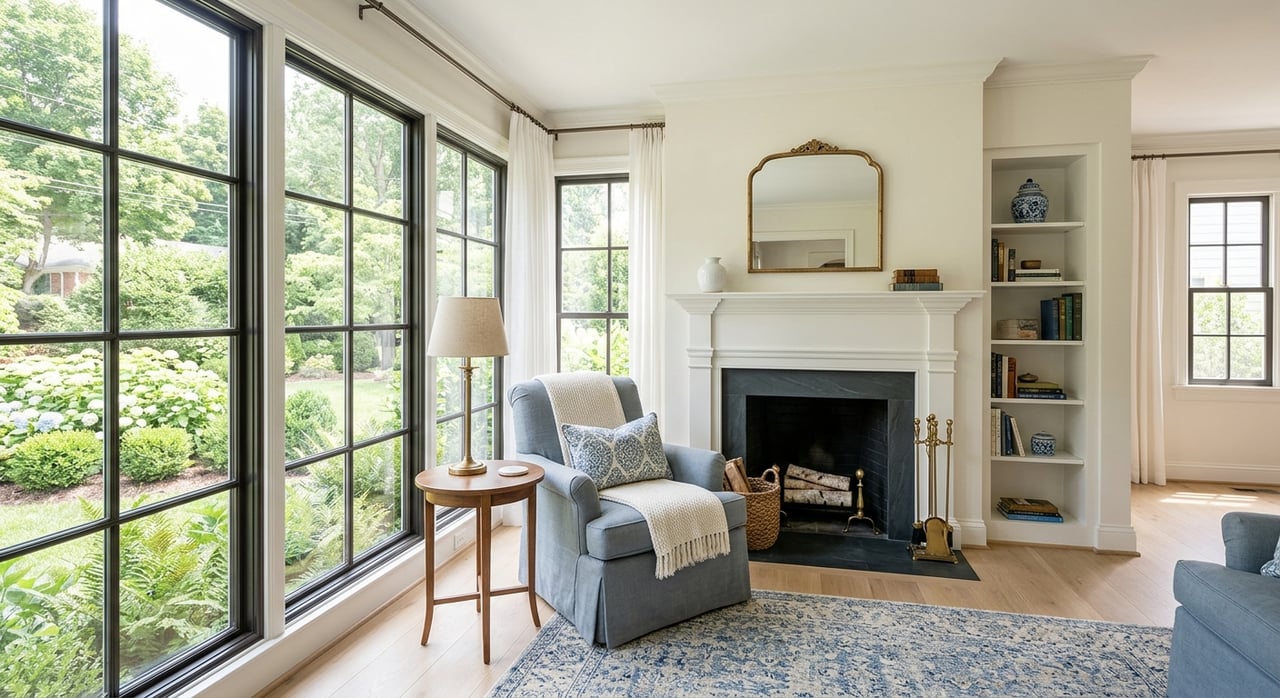
Offer Strategies That Win In Competitive San Jose Markets
May 14, 2026
May 14, 2026
If you are trying to buy in San Jose right now, you already know that a good home can move fast. In March 2026, San Jose single-family homes averaged just 15 days on market and sold at 106% of list price, while nearby Santa Clara averaged 13 days on market and 108% of list price. That kind of pace can make you feel like the only way to compete is to throw every protection out the window, but that is rarely the smartest move. The better strategy is to build an offer that balances price, certainty, and risk in a way you can actually live with. Let’s dive in.
In San Jose and Santa Clara, the market data points to speed and competition. With 498 active listings and 360 closed sales in San Jose, and just 39 active listings against 45 closed sales in Santa Clara, buyers are often competing for homes that attract quick attention.
That does not mean every listing should be approached the same way. A newer, turnkey South Bay home may call for one strategy, while an older property with visible condition issues may need a more careful plan. The strongest buyers usually decide their limits before they write, not after the counteroffer arrives.
Price matters, but it is not the only thing sellers look at. In multiple-offer situations, sellers often care about whether you can close cleanly, meet their timeline, and reduce the chances of delays or surprises.
That is why a winning offer is often built on clarity and credibility. If your financing is lined up, your deposit is thoughtful, your timelines are realistic, and your contingencies are tailored to the property, your offer can stand out without being reckless.
A preapproval letter is often the baseline in a competitive market. It shows that a lender is tentatively willing to lend up to a certain amount, and sellers frequently want to see it before accepting an offer.
Still, preapproval is not a guarantee. These letters can expire after 30 to 60 days, so it helps to make sure yours is current before you write. In a fast-moving San Jose market, an outdated letter can weaken an otherwise strong offer.
A contingency is a contract condition that must be met before closing. In California, the standard Residential Purchase Agreement commonly includes loan, appraisal, investigation, title, and seller-document review contingencies, with removal deadlines commonly 17 days after acceptance.
The key is not to waive protections by default. The stronger approach is usually to keep only the protections you truly need and set clear timelines around them. In other words, the best offer is often not the one with zero contingencies, but the one with the fewest protections you can responsibly carry.
If your offer depends on selling another home first, or if you need a long closing window, your offer may be less competitive. Sellers often prefer buyers who can close with fewer moving parts.
That does not mean you should hide your needs. It means you should understand how those terms affect your leverage and work with a plan that keeps the deal as clean as possible.
A shorter investigation or contingency period can make your offer more attractive. But shorter only works if you are ready to act quickly on inspections, lender requests, and document review.
Speed without preparation can backfire. Before you submit an offer, make sure you know how quickly you can complete inspections, review disclosures, and make decisions if issues come up.
Earnest money is your good-faith deposit held in escrow. It is common in competitive markets, and a larger deposit can help show that you are serious about closing.
At the same time, more is not always better. If you default, miss deadlines, or abandon the transaction, the seller may have a claim to those funds. If contingencies remain open and are properly used, the deposit is generally refunded.
The right deposit amount depends on the property, the market, and your own comfort level. In a competitive San Jose setting, a stronger deposit can improve the overall impression of your offer, but it should still match your risk tolerance.
It also matters how the funds are delivered. California buyers are advised to avoid cash deposits and use a traceable payment method.
One of the biggest mistakes buyers make is assuming they must waive inspection to compete. Usually, that is not the safest move.
Buyers are encouraged to have a home thoroughly inspected, and California guidance also points to checking electrical, plumbing, and structural conditions. That is especially important with older homes or properties that show signs of deferred maintenance.
Instead of dropping inspection protections completely, you may have safer ways to stay competitive:
For many Bay Area buyers, this is the sweet spot. You keep meaningful due diligence while still presenting a cleaner offer.
If you are using financing, your lender will typically require an appraisal. That appraisal is different from an inspection, and it can directly affect how much the lender is willing to fund.
If the appraisal comes in low and you have an appraisal contingency in place, California guidance says you may be able to cancel. Without that protection, you may need to bring in additional cash to bridge the gap.
This is where planning matters. Before you write an aggressive offer, decide the maximum amount you could comfortably cover if the appraisal falls short.
That number should be real, not emotional. A pre-planned appraisal cap helps you compete with confidence while protecting your larger financial picture.
An escalation clause lets you increase your offer if a higher competing offer appears, up to a maximum amount you set. In theory, that can help you stay in the running without immediately jumping to your top number.
But escalation clauses come with tradeoffs. They can reveal your ceiling, and the language should allow for verification of the competing offer. California guidance also recommends legal review before using one.
An escalation clause may fit if:
Used carefully, it can be useful. Used casually, it can box you into a number you later regret.
Competitive does not mean identical across the Bay Area. The East Bay data in April 2026 shows meaningful variation: Berkeley detached homes posted 1.3 months of inventory, 18 days on market, and 128% sale-to-list; Oakland detached homes posted 2.0 months of inventory, 29 days on market, and 116% sale-to-list; Hayward detached homes posted 1.7 months of inventory, 17 days on market, and 104% sale-to-list.
Those figures are best read as neighborhood-market indicators, not exact citywide averages, but they still show an important point. Some areas demand maximum competitiveness on price, while others may reward cleaner terms, stronger preparation, or a more selective property strategy.
For many San Jose and Santa Clara single-family homes, the most competitive structure is often:
For homes with age, condition questions, or visible complexity, the stronger move is often not to waive inspection entirely. A pre-inspection or narrower inspection strategy may put you in a better position than a blind waiver.
In a market this competitive, it is easy to focus only on winning. But the goal is not just to get into contract. The goal is to get into contract on terms that still make sense for you once the adrenaline wears off.
Before you write, know your ceiling on price, deposit exposure, appraisal gap, and repair risk. When those guardrails are clear, you can move quickly and still protect your long-term interests.
A well-crafted offer should feel strong, but it should also feel intentional. That is where experienced local guidance can make a real difference, especially in Silicon Valley micro-markets where the right strategy can change block by block.
If you want help building a smart offer strategy for San Jose or nearby Santa Clara County neighborhoods, connect with Alexandra Celo-Cruz. Her hands-on, negotiation-focused approach can help you compete with confidence and keep your decisions grounded in the realities of the local market.
Stay up to date on the latest real estate trends.


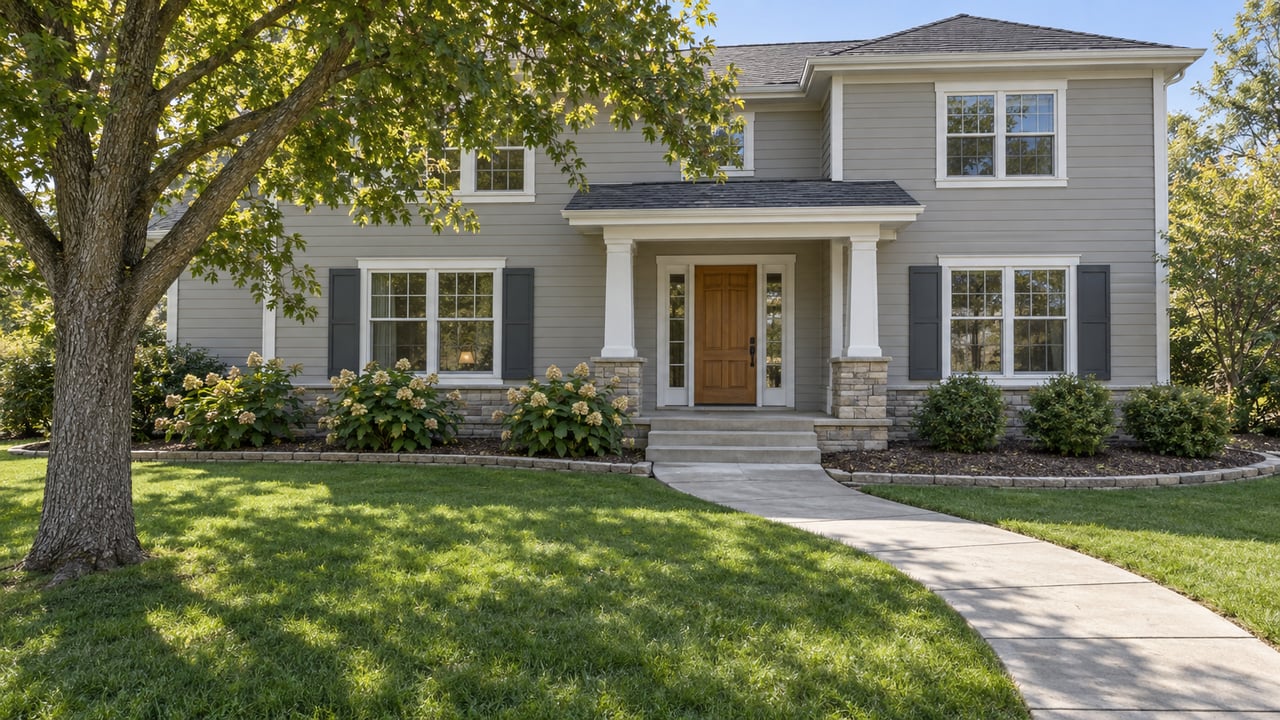
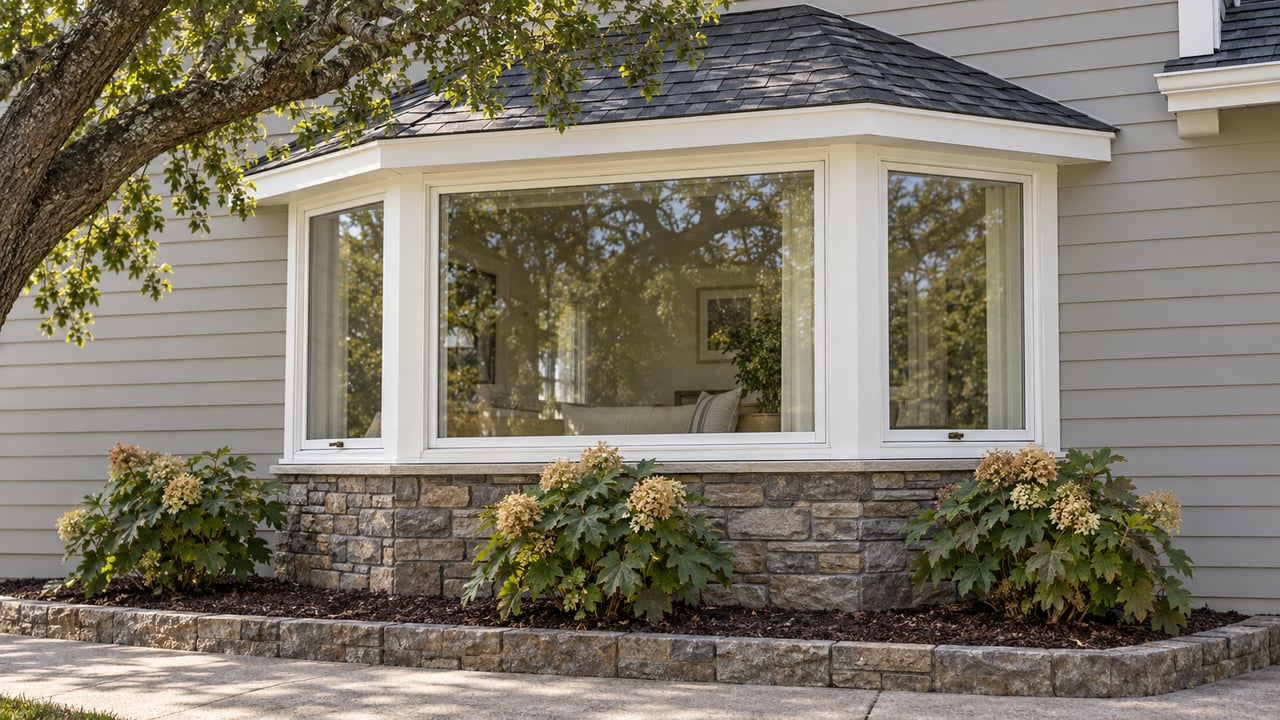
Work with Alexandra for a seamless real estate experience. She helps buyers visualize dream home potential through thoughtful enhancements and guides sellers in preparing and presenting their homes to attract maximum interest and profits. With Alexandra's expertise and creative approach, your goals are within reach.
Alexandra Celo-Cruz | CA DRE# 01482661
236 N SANTA CRUZ AVE STE 104 LOS GATOS CA 95030