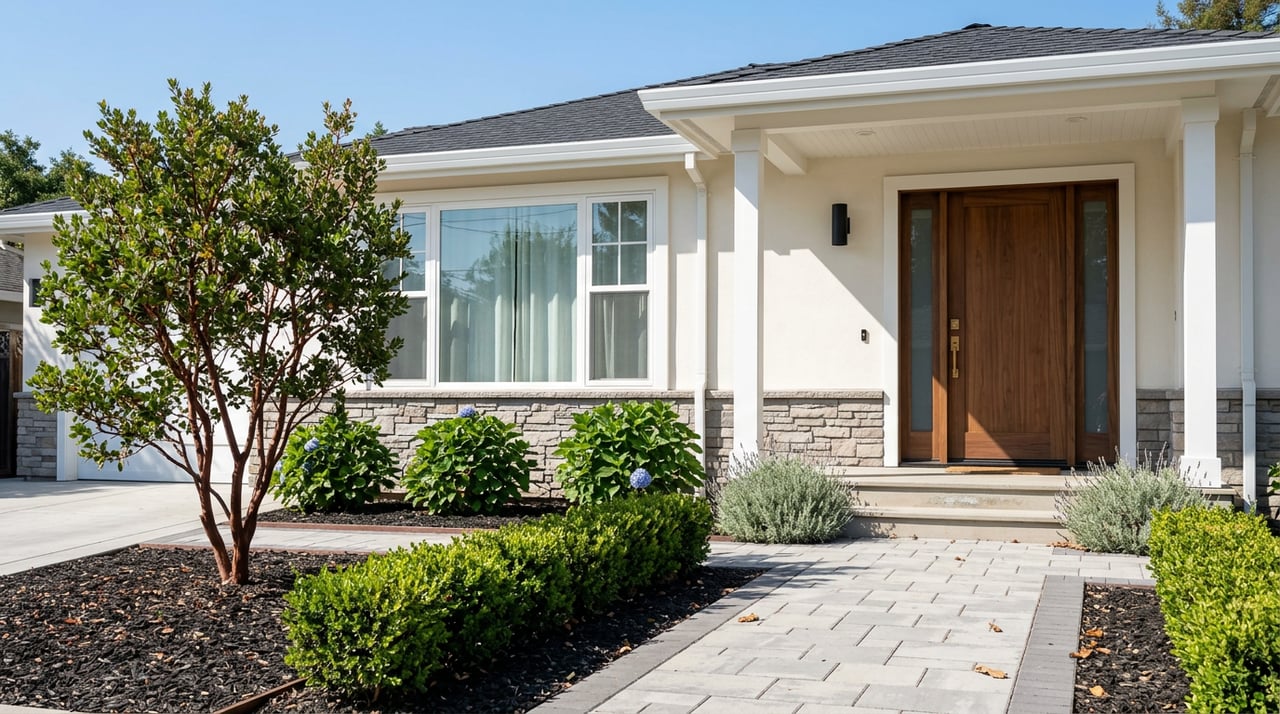
Planning A Low-Stress Downsizing Move In Santa Clara
March 24, 2026
March 24, 2026
Thinking about downsizing in Santa Clara but not sure where to start? You are not alone. Letting go of a longtime home, sorting a lifetime of belongings, and timing a sale in a fast market can feel overwhelming. This guide gives you a simple, low‑stress plan tailored to Santa Clara, including timing, permits, tax rules, and local resources you can trust. Let’s dive in.
Santa Clara is a high‑cost, low‑inventory market where well‑prepared homes often move quickly. Recent public trackers show typical values in the high six to low seven figures, and days on market can be short depending on price and condition. This pace is good news for your net proceeds, but it also means planning and preparation matter.
If you intend to stay local, you will likely compare smaller single‑family homes, townhomes, and condos. Condos and townhomes are often the most attainable way to reduce maintenance and square footage while remaining close to familiar amenities. Purpose‑built 55+ neighborhoods inside Santa Clara city limits are limited. If you want independent living or continuing‑care options, look across Santa Clara County and use trusted resources like the city’s Senior Center programs and countywide referrals from Sourcewise.
Start by clarifying your goals. Where do you want to live, how much space do you need, and what budget will you have after the sale? Note any mobility or lifestyle needs that affect layout and location. Meet with a local agent experienced with downsizing to estimate your net proceeds and the light updates that will matter most in today’s market. A clear plan reduces stress and helps you time your steps.
Do a simple room‑by‑room audit. Create four categories: keep, donate, sell, and recycle. Set a small keepsake box aside early so cherished items do not get lost in the shuffle. If you want hands‑on help, use a certified professional from the NASMM directory. They can coordinate sorting, consignment, estate sales, packing, and move‑day support.
Handle hazardous items the right way. Do not place paint, solvents, pesticides, large batteries, or e‑waste in regular trash. Use regional guidance to find household hazardous waste drop‑off options and accepted items at StopWaste’s resource center, then contact your county program to schedule a pickup or appointment.
Focus on small, high‑impact updates. Deep cleaning, neutral paint, fresh caulk, updated lightbulbs, and tidy landscaping go a long way. Many minor cosmetic items do not need permits, but anything that touches structure, electrical, plumbing, or the public right of way may. For simple residential projects, review the City of Santa Clara’s Simple Permits.
If you plan curbside work, dumpsters, PODS, or contractor staging on the street, apply early for an encroachment or temporary street‑use permit through Public Works Engineering Permits. Build in extra lead time in case a traffic control plan is required. Once the home is set, use professional photography and, if appropriate, light staging to help your listing stand out.
Well‑priced homes in Santa Clara can attract strong interest quickly. Once you accept an offer, expect a typical 30 to 45 day escrow, subject to inspections, financing, and negotiated dates. If you need extra time before moving out, discuss a short rent‑back with your agent and the buyer. Align your move‑out date with closing to reduce stress.
Book licensed movers early, especially for peak months and weekends. Label rooms clearly and keep essential documents and medications with you on move day. If you are donating large items, schedule pickup in advance. Give yourself time in the new space to adjust before buying new furniture so every piece earns its place.
Choosing the right sequence reduces financial and logistical stress. Here are the common paths and what to expect.
Selling first gives you clarity on net proceeds and removes the risk of carrying two homes. The tradeoff is arranging temporary housing while you search. Many downsizers find this path simpler and less stressful overall.
Buying first can be attractive in a tight market. Short‑term financing or a HELOC can unlock equity for a non‑contingent offer, but these products usually have higher costs and stricter terms than a standard mortgage. Get full lender quotes, fees, and repayment details before you decide.
A purchase contingent on the sale of your current home reduces your risk of double payments. The downside is reduced competitiveness in multiple‑offer situations. Your agent can help you set realistic expectations by price point and property type.
A rent‑back lets you sell, then stay for a short, agreed period while you close on your next place. Keep in mind that many loan programs require the buyer to occupy the home within a set window, often 60 days. Before relying on a rent‑back, confirm the buyer’s lender requirements and document everything in writing using guidance like the Fannie Mae occupancy rules.
If the home is your primary residence and you meet the IRS ownership and use tests, you may be able to exclude up to 250,000 dollars of gain if single or 500,000 dollars if married filing jointly. Start with the IRS overview and worksheets in Publication 523. Since every situation is different, speak with a qualified tax professional for a personalized calculation.
If you are 55 or older, severely disabled, or a disaster victim, Proposition 19 may allow you to transfer your current assessed value to a replacement primary residence anywhere in California, subject to specific rules and limits. Review the state overview at the California Board of Equalization’s Prop 19 page and contact the Santa Clara County Assessor for local forms and deadlines on the county’s Prop 19 guidance. Filing correctly and on time is essential.
Selling a longtime home is both practical and emotional. With a clear sequence, the right team, and local know‑how, you can move into a home that fits your next chapter with confidence. If you would like a tailored plan that covers net proceeds, light renovations, staging, and a smooth move timeline, connect with Alexandra Celo-Cruz for a warm, full‑service experience from start to finish.
Stay up to date on the latest real estate trends.





Work with Alexandra for a seamless real estate experience. She helps buyers visualize dream home potential through thoughtful enhancements and guides sellers in preparing and presenting their homes to attract maximum interest and profits. With Alexandra's expertise and creative approach, your goals are within reach.

Alexandra Celo-Cruz | CA DRE# 01482661
236 N SANTA CRUZ AVE STE 104 LOS GATOS CA 95030