
Santa Clara Housing Market Basics
December 4, 2025
December 4, 2025
Thinking about buying or selling in Santa Clara but not sure where to start? With strong tech employment nearby and limited land, the market can move quickly and feel complex. This guide breaks down the basics so you can read the signs, time your move, and make smart decisions. You’ll learn how inventory, seasonality, offers, and days on market typically work in Santa Clara and what that means for you. Let’s dive in.
Santa Clara sits in the heart of Silicon Valley. Many buyers work at nearby tech campuses or commute to downtown San Jose, which helps keep demand steady. At the same time, developable land is limited, so new single-family supply is constrained compared with demand.
You’ll find a mix of single-family homes, condos, and townhomes. Single-family homes often see tighter supply and faster sales. Local taxes and policies matter too. Under California’s Prop 13 framework, property taxes are typically reassessed when a home sells, which influences long-term carrying costs and buyer budgeting.
Understanding supply is step one. Key measures include:
MOI helps you spot market balance:
Seasonality matters. In Santa Clara, most new listings hit in spring, with strong buyer activity from February through May. Summer stays busy but can ease a bit. Fall and winter usually bring fewer listings, more price reductions, and longer time on market. Because land is tight, baseline inventory often stays relatively low year-round.
When inventory is tight and a home is well priced, multiple offers are common for single-family homes. Condos and townhomes may see more variation depending on supply. You might encounter escalation clauses, over-asking bids, or all-cash offers. Sellers tend to focus on net proceeds, certainty of closing, and strength of terms.
Contingencies are a key lever. Waiving or limiting inspection, loan, or appraisal contingencies can make an offer more attractive, but it increases risk. Strong pre-approval, larger earnest money deposits, and proof of funds help your case. Flexible closing timelines can also be a win for both sides.
Financing conditions change the game. Lower mortgage rates expand purchasing power, which can increase competition and speed up sales. Higher rates often shrink the buyer pool, which can lead to longer marketing times and more negotiation room for buyers.
Two common metrics guide expectations:
In a hot market, median DOM can run about two to three weeks, and many homes sell at or above list price. In a balanced environment, DOM may stretch closer to three to six weeks with fewer multiple-offer situations. In softer conditions, DOM can push beyond six weeks and price reductions become more common.
Short DOM with strong sale-to-list ratios signals effective pricing and marketing. Longer DOM and multiple reductions can indicate the home started too high and needed a reset.
Because neighborhoods differ, citywide averages can hide big swings. Single sales, like new construction or a large estate, can skew monthly figures. When you look at data, timestamp it and compare both month over month and year over year for context. If a sample size is small, consider a rolling three or six-month view to smooth out noise.
Want a simple framework to track? Focus on:
A few triggers can shift the market fast:
If any of these move, you may see quick changes in offer counts, DOM, and price trends.
You deserve hands-on guidance and polished execution. With local expertise in Santa Clara County, Alexandra provides renovation oversight, staging, and bespoke listing presentation for sellers, plus clear, strategy-driven coaching for buyers. You get boutique-level attention paired with enterprise-grade marketing and strong negotiation support.
Ready to make a smart move in Santa Clara? Connect with Alexandra Celo-Cruz to map your plan and Get a Free Home Valuation & Consultation.
Stay up to date on the latest real estate trends.


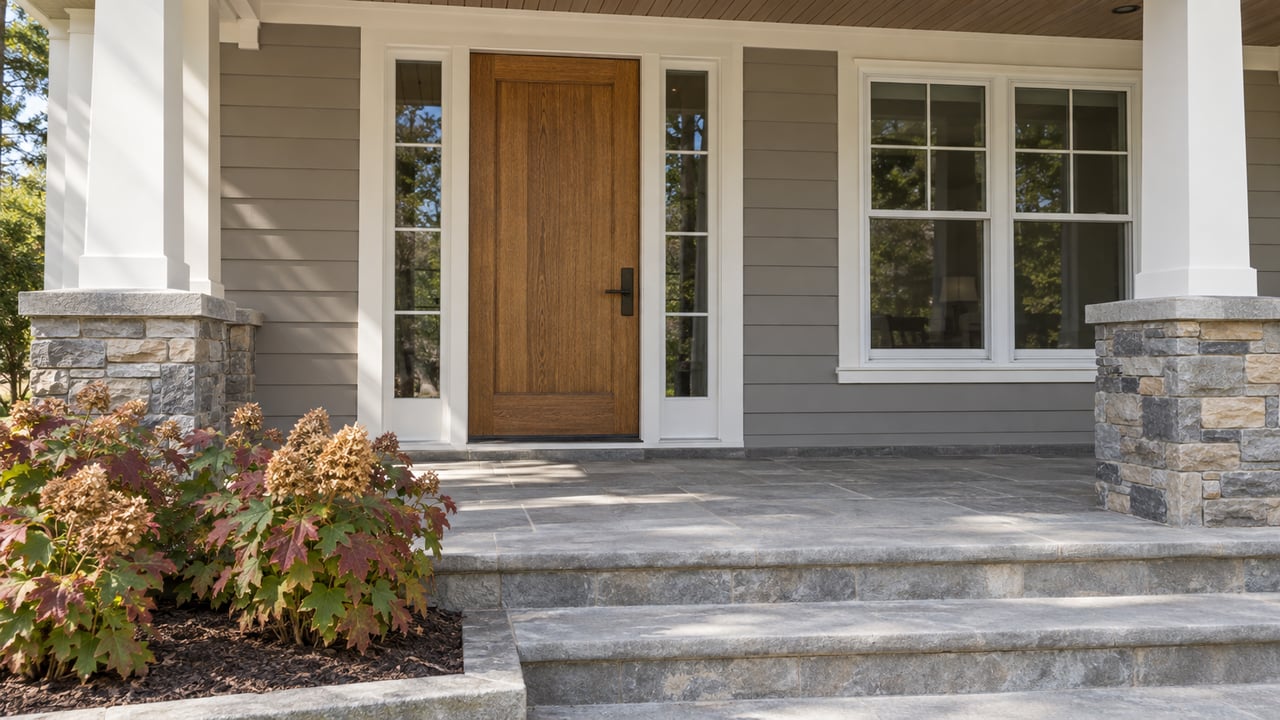
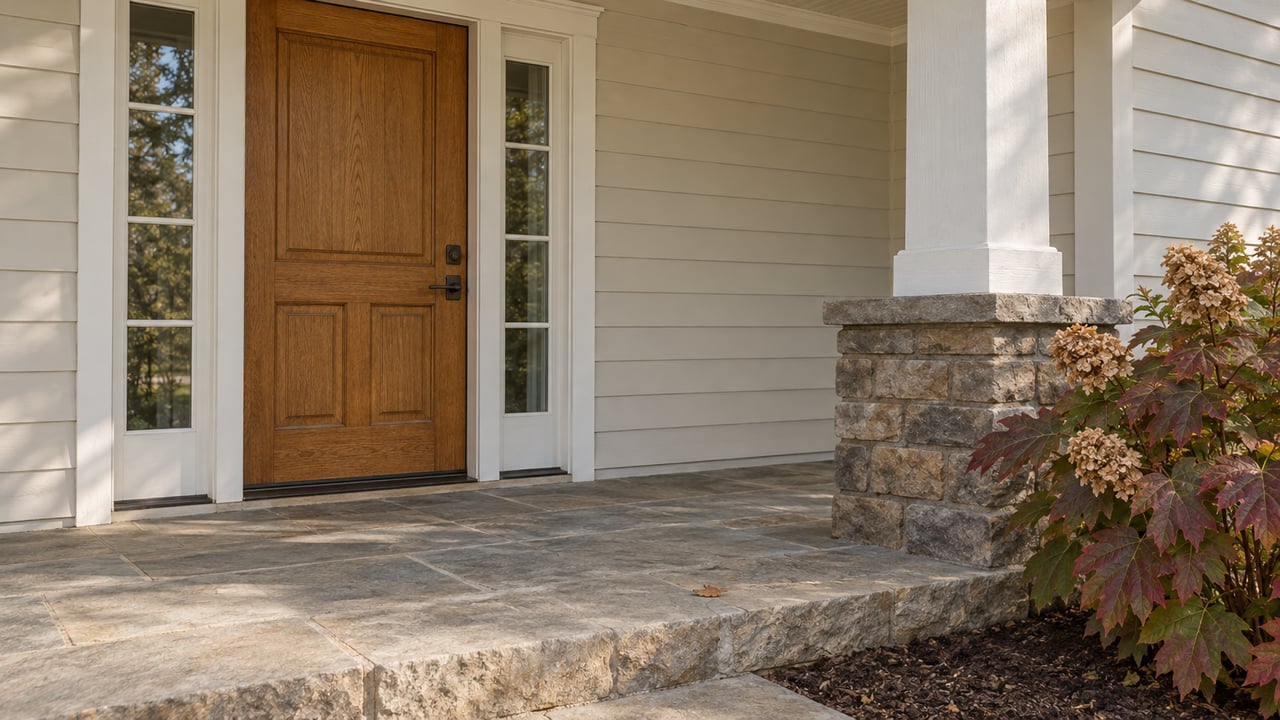
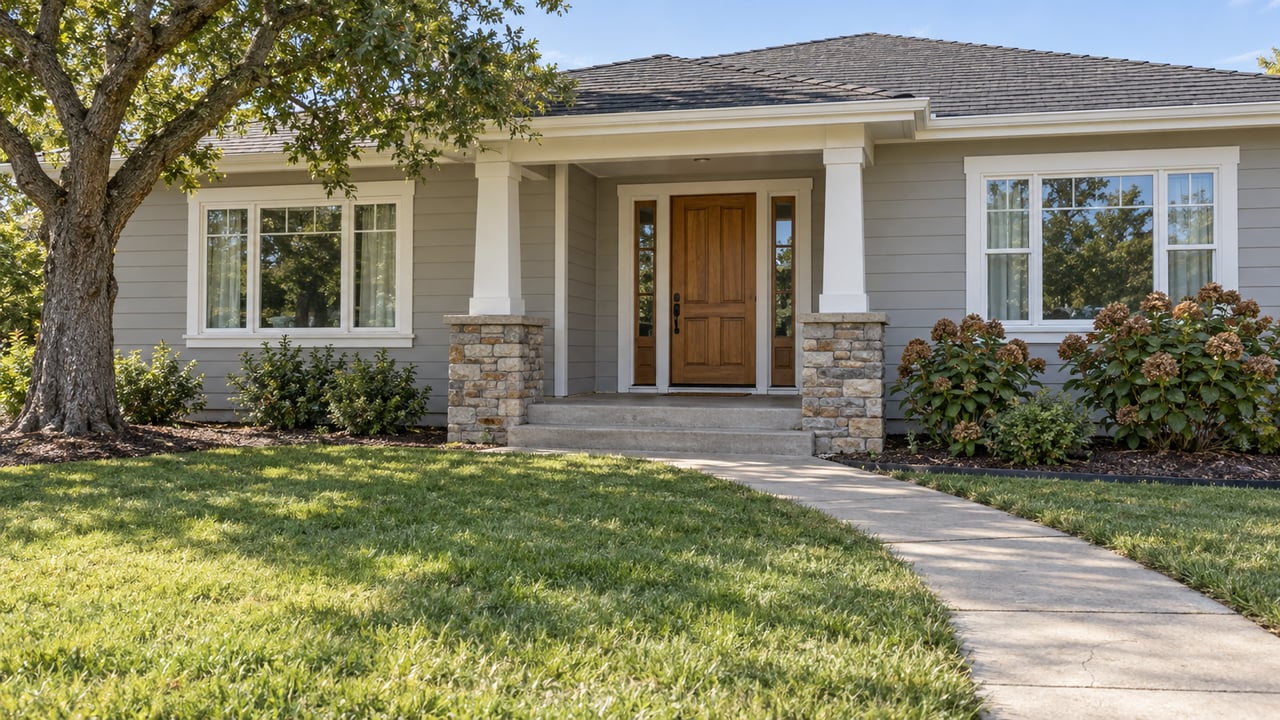

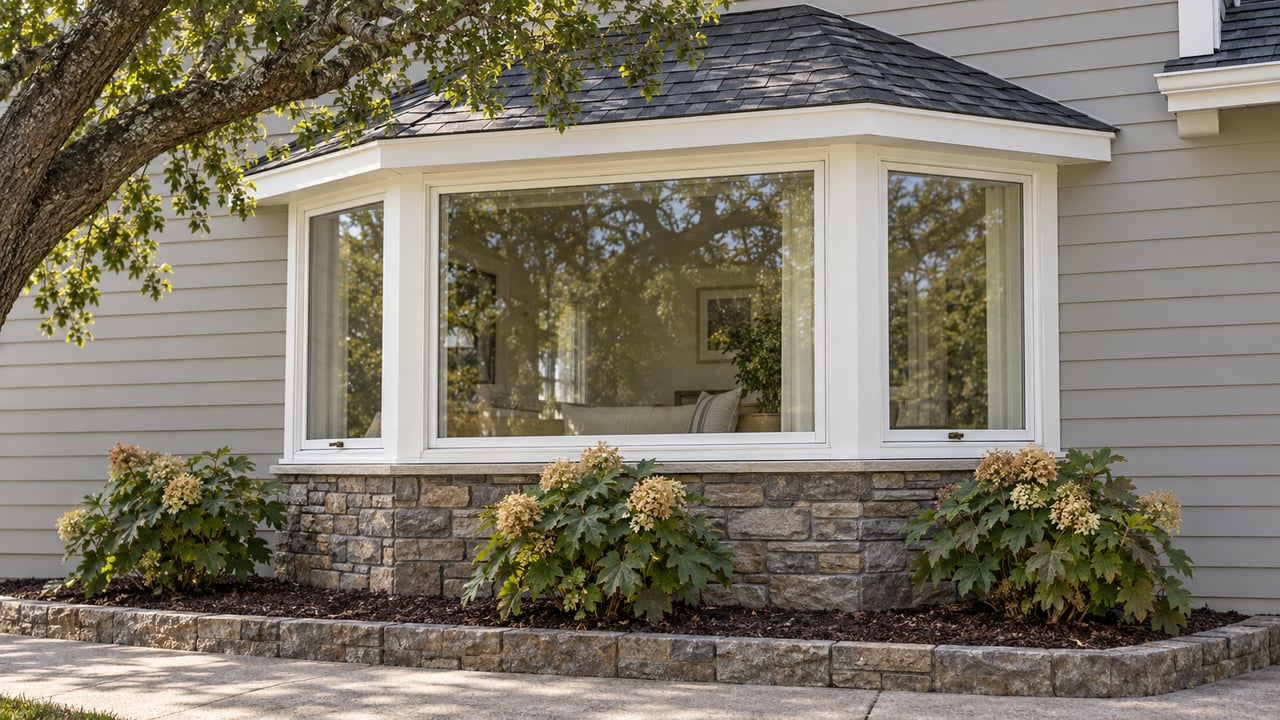

Work with Alexandra for a seamless real estate experience. She helps buyers visualize dream home potential through thoughtful enhancements and guides sellers in preparing and presenting their homes to attract maximum interest and profits. With Alexandra's expertise and creative approach, your goals are within reach.

Alexandra Celo-Cruz | CA DRE# 01482661
236 N SANTA CRUZ AVE STE 104 LOS GATOS CA 95030