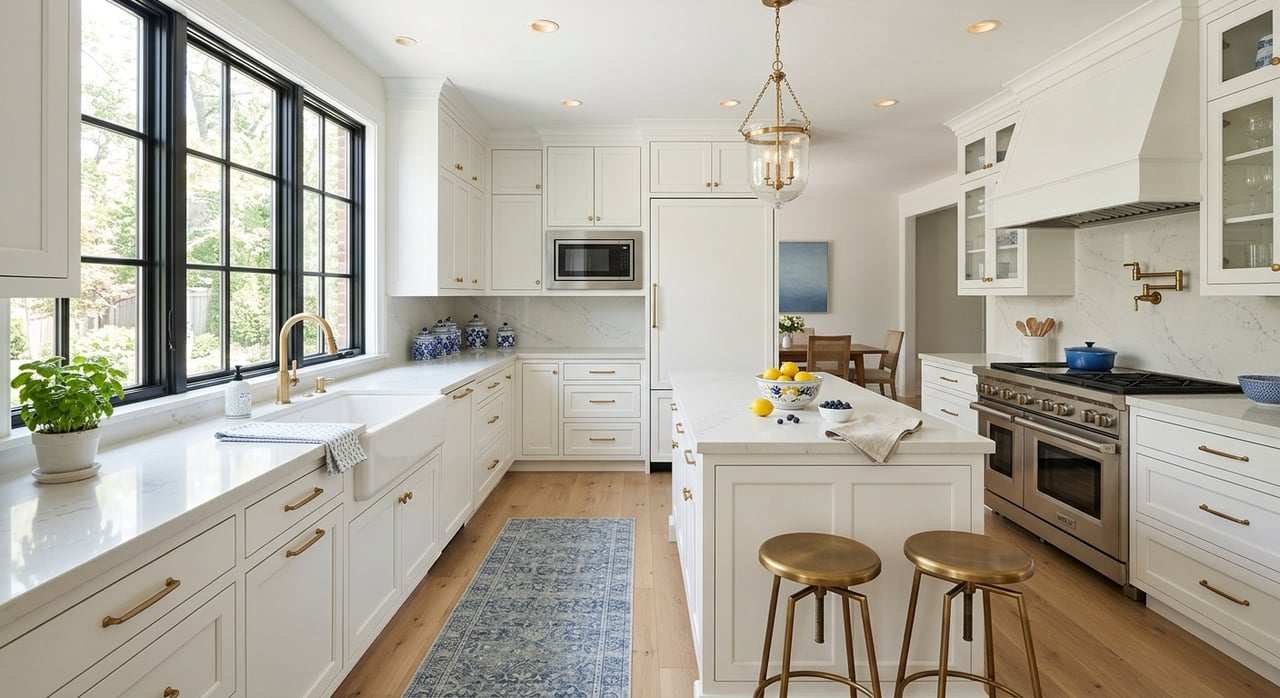
Should You Buy Or Sell First In Santa Clara?
July 16, 2026
July 16, 2026
If you own a home in Santa Clara and need to make your next move, one question can shape your whole plan: should you buy first or sell first? In a market where homes often move quickly and prices remain high, the order matters. The right answer depends on your budget, your comfort with risk, and how important it is to secure your next home before letting go of your current one. Let’s dive in.
In Santa Clara, timing decisions carry real financial weight. June 2026 data from the Santa Clara County Association of REALTORS® showed a $1.8 million median sale price for single-family homes, with 22 average days on market and homes selling for 105% of list price received on average. Condos and townhomes posted a $1.075 million median sale price, 31 average days on market, and 101% of list price received.
Rolling city data also point to strong competition. Over the last three months, Santa Clara homes had a median sale price of $1,698,983, averaged about 4 offers, and sold in roughly 12 days on market, with 70% selling above list price. That means both buyers and sellers need a clear strategy before making a move.
Mortgage costs also affect the decision. As of July 9, 2026, Freddie Mac reported the average 30-year fixed rate at 6.49%. In California, the Department of Real Estate notes that buyers typically need 5% to 20% down plus 3% to 7% for closing costs, so even a short overlap between two homes can become expensive fast.
For many Santa Clara homeowners, selling first is the safer path. It gives you a clear picture of your net proceeds, your purchase budget, and what monthly payment feels comfortable before you commit to your next home.
This approach can work especially well if you are moving up, downsizing, or relocating and want to avoid carrying two housing payments at once. In a high-cost market like Santa Clara, reducing financial exposure can bring real peace of mind. You know what you can spend because your current home has already turned into usable buying power.
The California Department of Real Estate advises buyers to understand what they can afford before shopping. That guidance matters even more when your current home sale will help fund your next purchase. Selling first can create that certainty.
The biggest risk is timing. If your current home closes before you find a replacement, you may need temporary housing or storage for a period of time.
In Santa Clara, homes often move quickly, but that does not guarantee a seamless handoff from one property to the next. A fast market can help a sale happen, but it can also make your replacement home search more competitive.
Buying first can make sense when securing the next home is your top priority. If you have enough liquidity to handle overlap, this route may help you compete more effectively in Santa Clara’s fast-moving market.
That matters because many local homes receive multiple offers. If your offer depends on selling your current home first, a seller may see that as less certain than an offer from a buyer who is already free to close. In a competitive setting, fewer conditions can strengthen your position.
Buying first can also reduce the stress of having to rush into your next purchase. Instead of making an offer under a deadline, you may have more space to look for the right fit, especially if you are particular about layout, location, or long-term value.
The trade-off is financial pressure. If you buy before you sell, you may need to manage two mortgages, two sets of carrying costs, and upfront cash needs at the same time.
In Santa Clara’s price range, that overlap can be substantial. With mortgage rates where they are today, even a short double-payment period can affect your flexibility and stress level.
One middle-ground option is making an offer that depends on the sale of your current home. In California, there is a standard Contingency for Sale of Buyer’s Property form for this situation.
This kind of contingency can protect you, but it can also weaken your offer in a competitive market. When sellers are reviewing multiple offers, they may prefer one with fewer hurdles. In Santa Clara, where many homes attract several offers, that is an important factor to weigh.
Contingencies can still play a valuable role in protecting buyers. California purchase contracts commonly include protections tied to financing, appraisal, and inspections. If you are balancing two transactions at once, deciding which contingencies you need and which ones may affect competitiveness is an important part of the plan.
If you decide to sell first, a rent-back may help bridge the gap. This arrangement allows you to stay in your home for a set period after closing while you complete your next purchase.
In California, post-closing occupancy is typically handled through formal written documentation, such as a residential lease after sale or seller-in-possession arrangement. The practical takeaway is simple: if you plan to stay after closing, it should be documented clearly rather than handled casually.
A rent-back can offer breathing room, but it should be planned early. In a market like Santa Clara, the smoother transitions usually happen when the moving pieces are discussed up front, not after the contract is signed.
There is no one-size-fits-all answer, but there is a practical way to think about it. In Santa Clara, selling first is often the lower-risk choice when budget certainty and reduced financial exposure matter most.
On the other hand, buying first may be the better fit when landing the right replacement home is the priority and you can comfortably afford overlap. That can be especially relevant if you expect strong competition for the type of home you want.
Selling first may be the better route if:
Buying first may be the better route if:
If you are selling a single-family home and moving into a condo or townhome, give yourself a little time buffer. June 2026 county data show condos and townhomes still moving in a competitive environment, even if the pace is somewhat slower than for single-family homes.
That slower pace does not necessarily make the search easy. It simply means your timing strategy may look a little different. You still want a plan for how the two transactions will line up.
The best move sequence is usually the one that fits your finances and your comfort level, not a generic rule. In Santa Clara, high prices, quick market times, and current mortgage rates all raise the stakes.
That is why early planning matters. Before you list or start writing offers, it helps to define your budget, update your rate expectations, and choose your transition strategy, whether that means a rent-back, a sale contingency, or a temporary housing backup plan.
If you are weighing whether to buy or sell first in Santa Clara, a tailored plan can make the process feel far more manageable. A thoughtful local strategy can help you protect your timing, your negotiating position, and your bottom line. For guidance on the best path for your move, connect with Alexandra Celo-Cruz.
Stay up to date on the latest real estate trends.



Work with Alexandra for a seamless real estate experience. She helps buyers visualize dream home potential through thoughtful enhancements and guides sellers in preparing and presenting their homes to attract maximum interest and profits. With Alexandra's expertise and creative approach, your goals are within reach.
Alexandra Celo-Cruz | CA DRE# 01482661
236 N SANTA CRUZ AVE STE 104 LOS GATOS CA 95030